
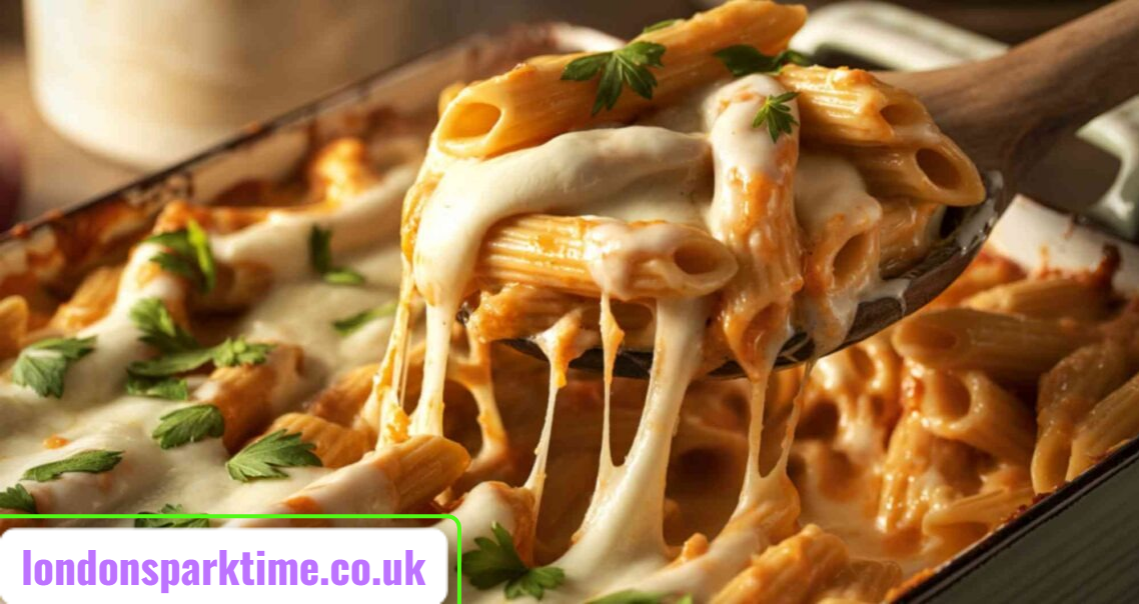
Mannacote is a baked stuffed pasta dish similar to manicotti, featuring tubular pasta filled with cheese, herbs, or meat and baked in a rich sauce. It is a comfort food favorite in Italian-American kitchens, known for its creamy texture, flavorful fillings, and versatility. Mannacote can be adapted with vegetarian or meat variations, making it ideal for family meals and festive occasions.
Mannacote is an Italian-American baked pasta dish celebrated for its creamy, cheesy filling and rich sauce. Typically made with ricotta, mozzarella, Parmesan, and herbs, it is stuffed into tubular pasta and baked until golden and bubbling. Loved for its comforting flavor, mannacote can be customized with meat, vegetables, or alternative sauces, making it perfect for family dinners. This guide explores its history, key ingredients, baking techniques, and variations to help you make perfect mannacote every time.
What Mannacote Is and Why It’s Beloved in Homes
Mannacote is a classic Italian-American baked pasta dish that captures the essence of comfort food. It features tubular pasta stuffed with creamy ricotta, mozzarella, and Parmesan, combined with fresh herbs or optional meats. Baked in tomato or béchamel sauce, it creates a dish that is golden, bubbling, and aromatic. Families cherish mannacote for its richness, hearty texture, and versatility, making it a staple for Sunday dinners, holidays, and special occasions. Its appeal lies in both flavor and the warm memories it evokes.
How Mannacote Developed from Italian Traditions
The dish mannacote grew from Italian culinary roots, particularly from the classic manicotti. Italian immigrants brought pasta traditions to America, where families adapted recipes using local ingredients. Over time, the term “mannacote” became a familiar name in households, representing not just food but family gatherings and shared experiences. Its evolution highlights the fusion of Italian heritage and American creativity, resulting in a dish that feels authentic yet personalized to family tastes, traditions, and occasions.
Core Ingredients That Make Mannacote Irresistible
The flavor of mannacote relies on simple yet high-quality ingredients. Tubular pasta forms the structure, while ricotta creates a creamy, smooth interior. Mozzarella contributes meltiness, and Parmesan adds depth and savoriness. Fresh herbs such as basil, parsley, or oregano enhance flavor, while optional additions like sautéed spinach, mushrooms, or ground meat provide texture and heartiness. Tomato or béchamel sauce completes the dish, balancing richness with tanginess or creaminess, ensuring each bite is indulgent and satisfying.
How to Cook Pasta for Perfect Mannacote
Cooking pasta to the correct texture is crucial. Tubular pasta should be boiled until al dente, tender yet firm, to avoid mushiness during baking. Draining carefully and letting the pasta cool slightly helps the filling adhere and prevents watery results. Properly cooked pasta maintains its shape and texture, allowing for smooth assembly and even baking. Paying attention to this step ensures that every bite of mannacote delivers the ideal contrast between the creamy filling and firm pasta shell.
Creating the Perfect Cheese and Herb Filling
The filling is the heart of mannacote. Ricotta provides a creamy base, while mozzarella adds stretch and Parmesan contributes savory depth. Fresh herbs like parsley, basil, or oregano bring aroma and brightness. Adding a beaten egg can help bind the mixture, ensuring it holds shape inside the pasta tubes. Seasoning with salt, pepper, and a touch of nutmeg enhances flavor. Mixing the filling thoroughly guarantees each tube is filled consistently, giving a smooth, flavorful experience in every bite.
Choosing the Right Sauce for Mannacote
Sauce selection greatly impacts the final dish. Marinara provides bright acidity and herbal notes that complement the rich cheese filling, while béchamel offers a creamy, luxurious texture. Some cooks combine both sauces, layering them for complexity. The sauce should coat the pasta evenly without making it watery. Balancing acidity, creaminess, and seasoning ensures mannacote is flavorful, visually appealing, and satisfies the comforting, hearty qualities that make it a favorite for family meals.
Also read this:Mastering Soutaipasu: Complete Guide to Uses, Meaning, and Benefits
Step-by-Step Assembly for Maximum Flavor
Start by spreading a layer of sauce at the bottom of a baking dish to prevent sticking. Carefully fill each pasta tube with the prepared cheese and herb mixture, arranging them snugly. Pour additional sauce over the top to cover all surfaces, and sprinkle extra mozzarella or Parmesan for a golden, bubbling finish. Covering the dish during baking helps retain moisture, while uncovering toward the end creates a light crust. Proper assembly ensures each portion is rich, flavorful, and visually appealing.
Baking Techniques for Tender and Flavorful Mannacote
Bake the prepared mannacote at moderate heat until the sauce bubbles and the cheese melts into a golden top. Covering initially prevents drying, while uncovering near the end produces a lightly crisp surface. Allow the dish to rest briefly after baking so the filling sets and flavors meld. Proper baking produces a tender interior and a flavorful, visually enticing top layer, making each serving satisfy both taste and presentation expectations.
Exciting Variations with Meat, Vegetables, and Herbs
Mannacote is highly versatile, allowing for endless variations. Ground beef, sausage, or turkey can be added for heartiness, while vegetables like spinach, mushrooms, or roasted peppers make it vegetarian-friendly. Herbs and spices can be adjusted to create unique flavor profiles, such as chili flakes for warmth or lemon zest for freshness. Plant-based cheeses allow for vegan adaptations, maintaining the creamy texture and rich taste. These variations keep mannacote dynamic and customizable for different preferences.
Pairing Mannacote with Complementary Sides
Mannacote pairs beautifully with side dishes that enhance flavor and texture. Fresh salads with vinaigrette provide brightness, while roasted vegetables add depth and nutrition. Garlic bread or crusty focaccia allows for dipping in sauce, enhancing the indulgence. For beverages, medium-bodied red wines complement tomato-based sauces, while creamy or white sauces pair well with aromatic whites. Thoughtful pairings elevate the dining experience, making mannacote a memorable centerpiece for any meal.
Cultural Significance and Emotional Connection
Mannacote is more than food; it symbolizes tradition, family, and connection. It represents shared Sunday dinners, festive celebrations, and the warmth of communal cooking. Recipes are often passed down through generations, adapting slightly with each family but keeping the essence intact. This emotional connection, combined with its comforting flavors, ensures that mannacote remains a beloved dish that brings people together, transcending simple nourishment and creating lasting memories.
Common Mistakes to Avoid When Making Mannacote
Mistakes can compromise the quality of mannacote. Overcooking pasta can make it mushy, while underseasoning the filling results in blandness. Using too much sauce can make the dish watery, while too little can dry it out. Baking at excessively high heat may burn the top before the interior cooks fully. Following careful cooking, assembly, and baking practices ensures the dish reaches its full potential in taste, texture, and presentation.
Freezing and Storage for Convenience
Mannacote can be prepared ahead and frozen before baking. Wrap portions tightly to maintain freshness, then thaw in the refrigerator before baking. Leftovers store well in the fridge for a few days and can be reheated in the oven to preserve texture. Proper storage and reheating maintain flavor and consistency, making mannacote an excellent option for meal prep, weeknight dinners, or feeding a crowd without compromising the dish’s delicious qualities.
Why Mannacote Remains a Timeless Comfort Dish
Mannacote continues to win hearts due to its versatility, flavor, and nostalgic appeal. It satisfies both children and adults, adapting to dietary needs and flavor preferences. Its combination of creamy filling, tender pasta, and rich sauce embodies the essence of comfort food. As home chefs experiment with variations, mannacote evolves while retaining the familial and cultural connections that make it timeless, ensuring it will remain a cherished dish in kitchens for generations to come.
FAQs
What is mannacote exactly?
Mannacote is a baked pasta dish similar to manicotti, stuffed with cheese, herbs, and sometimes meat, baked in a rich sauce.
Can mannacote be made vegetarian?
Yes, by omitting meat and adding vegetables like spinach, mushrooms, or roasted peppers, it becomes a hearty vegetarian dish.
Which sauces work best with mannacote?
Tomato-based marinara offers bright acidity, while béchamel provides creamy richness. Both can be layered for more flavor.
How long should mannacote bake?
Bake at moderate heat for about 25–40 minutes until cheese melts, sauce bubbles, and the top is golden.
Can mannacote be prepared in advance?
Yes, it can be assembled and frozen before baking or stored in the fridge, then baked or reheated as needed.
For more info :londonsparktime.co.uk
