
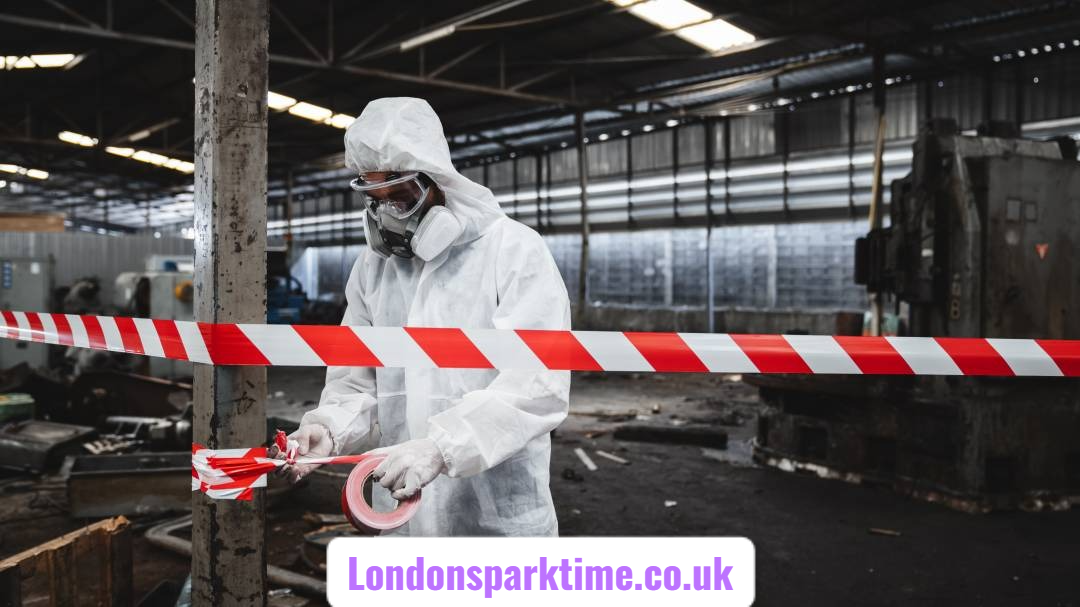
Asbestlint is a type of asbestoscontaining tape historically used for insulation and fireproofing in buildings. Because asbestos fibers are hazardous when airborne, asbestlint should only be handled by trained professionals. It poses health risks if disturbed, deteriorated, or removed improperly. Safe identification, testing, and abatement are essential to protect occupants and workers from exposure to asbestos fibers.
This comprehensive article explores what asbestlint is, its historical use, why it’s dangerous, how to identify it, and safe approaches to handling or removing it. You’ll learn about the health risks linked to asbestos, current regulations governing its management, and best practices for homeowners and professionals. Whether you’re renovating an older building or simply curious about materials with asbestos, this guide provides clear, expert insights that help you make informed decisions and protect your health.
Understanding What Asbestlint Is and Its Historical Use in Construction
Asbestlint refers to a fine, fibrous dust or residue produced from materials that contain asbestos. Asbestos is a naturally occurring mineral made up of tiny, durable fibers that are resistant to heat, fire, and chemicals. Because of these properties, asbestos was widely used in construction throughout much of the 20th century. When asbestos-containing materials break down, are cut, or disturbed, they can release very small fibers into the air. These fibers can settle as dust, often referred to as asbestlint, which can easily be inhaled or spread throughout a building.
Why Asbestos‑Containing Materials Like These Were Used in Older Buildings
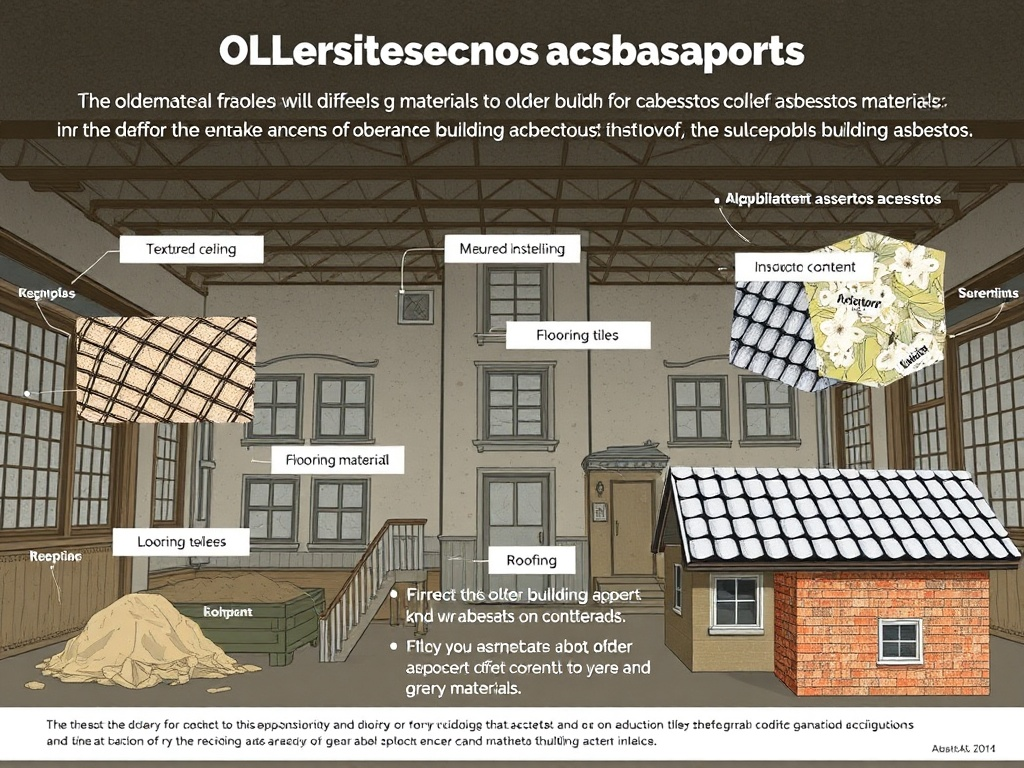
In the past, builders chose asbestos materials for durability and fire resistance. Products like asbestlint were easy to apply and helped prevent heat loss or fire spread in industrial and residential settings. At the time, the long‑term health hazards of asbestos exposure were not well understood. As awareness grew about the danger of inhaling asbestos fibers, regulations gradually restricted and then banned many asbestos products in construction, but older buildings still may contain them.
The Hidden Health Risks Linked to Inhaling Asbestos Fibers
Once disturbed, materials such as asbestlint can release microscopic asbestos fibers into the air. When inhaled, these fibers can lodge in lung tissue and cause inflammation or scarring over many years. This can lead to serious diseases including asbestosis, lung cancer, and mesothelioma. The risk increases with the amount and duration of exposure, so minimizing any disturbance of asbestos‑containing materials and seeking professional assessment is essential for safety.
How to Recognize Potential Asbestos Tape in Your Home or Building
Identifying asbestlint visually can be difficult because it often resembles ordinary cloth or heat‑resistant tape. Typically found on old heaters, pipes, or furnace connections, it may look fibrous, woven, and off‑white or gray. If your building was constructed before the 1980s, there’s a chance asbestos‑containing tapes were used. Because appearances can be misleading, professional sampling and lab analysis are the only reliable methods to confirm whether a material contains asbestos.
Also read this: Empire casting call secrets to audition and get selected fast
Safety First: Why You Shouldn’t Disturb Suspected Asbestos Materials
If you suspect the presence of any asbestos tape or insulation, do not touch, cut, or attempt to peel it off. Disturbing asbestos materials is what creates the airborne fibers that pose the greatest health threat. Instead, keep the area undisturbed, limit access, and contact a certified asbestos professional who can safely inspect the material and provide guidance on next steps such as testing or removal.
What to Expect from Professional Asbestos Inspection Services
Certified asbestos inspectors have training and protective gear to safely collect samples of suspected materials like tapes, insulation, or ceiling tiles. They follow strict protocols to prevent fiber release during sampling and then send specimens to accredited labs for analysis. Once the presence and condition of asbestos are determined, the inspector will advise you on risk levels and whether removal, encapsulation, or simply monitoring is the best course of action.
Regulations and Legal Requirements for Managing Asbestos in Buildings
Many countries have specific laws governing how asbestos‑containing materials must be handled, disclosed, and removed. Property owners may be required to document known asbestos in building records and follow proper procedures during renovation or demolition. Certified abatement contractors must follow safety standards set by regulatory agencies to ensure worker and occupant protection. Understanding these regulations helps you avoid legal and health consequences.
Safe Removal Practices That Professionals Use to Protect Your Health
When removal is necessary, trained abatement teams use controlled methods including containment barriers, negative air pressure units, and specialized vacuum systems to capture fibers. Workers wear protective suits and respiratory equipment to avoid inhalation. The removed asbestos materials are sealed and transported to authorized disposal facilities that handle hazardous waste. These careful steps help prevent contamination of surrounding areas and ensure no fibers remain airborne.
How to Encapsulate or Manage Asbestos Materials Without Removal
In some cases, especially when the asbestos is in good condition and unlikely to be disturbed, professionals may recommend encapsulation instead of removal. Encapsulation involves applying a sealant that binds the fibers and prevents them from becoming airborne. This can be a less invasive and cost‑effective option, but it still requires expert evaluation to ensure it’s appropriate for your particular situation and that the seal remains intact over time.
Cost Considerations When Dealing With Asbestos Tape and Insulation
The price of asbestos inspection and removal varies depending on the size of the area, complexity of access, and local professional rates. Testing a suspected tape sample may be relatively modest in cost, while full abatement of multiple areas can be more costly due to labor, safety measures, and waste disposal fees. Budgeting for inspection first helps you understand the scope of required work and make informed decisions.
Long‑Term Building Maintenance and Monitoring After Asbestos Management
Once asbestos materials like tapes have been safely removed or managed, ongoing maintenance involves periodic inspections to ensure no hidden fibers are emerging and building occupants remain safe. Documenting where materials were and what actions were taken helps future owners or contractors avoid accidental disturbance. Keeping clear records and scheduling periodic assessments maintains long‑term peace of mind.
Common Myths About Asbestos and What Science Actually Says
There are many misconceptions about asbestos, such as thinking any contact with it causes immediate illness or that small amounts are harmless. Scientific research shows that risk depends on exposure level and fiber type. Asbestos is dangerous when fibers are airborne and inhaled over time. Intact, undisturbed materials may pose little immediate risk, but professional evaluation helps distinguish safe scenarios from hazardous ones.
How Renovation Projects Can Safely Integrate Older Materials With Asbestos
When renovating older buildings, incorporate asbestos assessment early in your planning. Professionals may need to inspect before demolition or alteration of walls, ceilings, or systems with old insulation. Adjusting renovation timelines to allow for safe handling prevents costly delays and protects workers. Coordinating design changes with abatement schedules ensures a seamless, health‑focused project from start to finish.
Educating Occupants and Workers About Asbestos Awareness and Safety
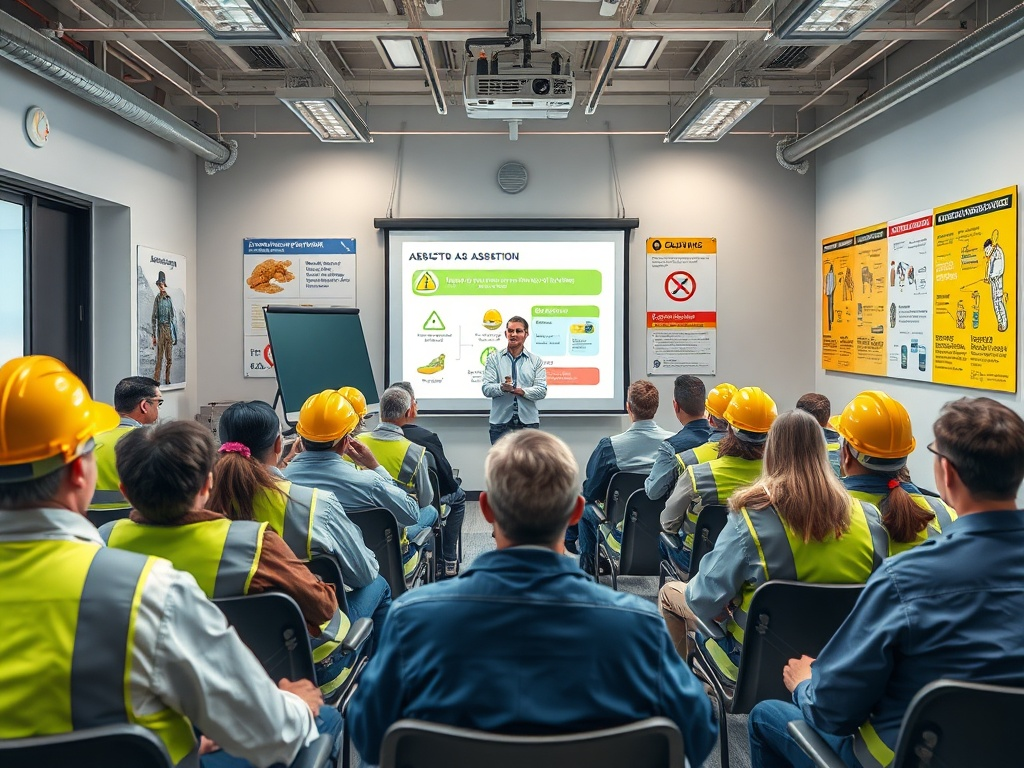
Whether you own or manage a building with potential asbestos materials, informing occupants and workers about risks and procedures is important. Clear communication promotes cooperation during inspections or abatement and reduces accidental disturbances. Safety briefings, signage, and written protocols empower everyone to recognize when to halt work and call trained professionals if suspected asbestos is found.
Conclusion: Prioritizing Health and Safety When Dealing With Hazardous Building Materials
In conclusion, asbestlint refers to fibrous or lint-like asbestos materials—such as asbestos tape, cloth, or dust-like fibers—that were historically used for insulation, sealing, and fire protection in buildings and industrial equipment. These materials were valued for their heat resistance, durability, and insulating properties, but they also pose serious health risks when fibers become airborne and are inhaled. Exposure to asbestos fibers has been linked to severe diseases such as asbestosis, lung cancer, and mesothelioma, often appearing many years after exposure.
FAQs (People Also Ask)
1. What is asbestlint?
Asbestlint refers to fine asbestos fibers or lint-like material used in insulation, sealing, and fire-resistant products.
2. Why is asbestlint dangerous?
It is dangerous because inhaling asbestos fibers can cause serious diseases like lung cancer and asbestosis.
3. Where is asbestlint commonly found?
It is often found in old buildings, insulation materials, pipes, roofing, and industrial equipment.
4. Can I remove asbestlint myself?
No, it is recommended to hire certified professionals because improper removal can release harmful fibers.
5. How can exposure to asbestlint be prevented?
Regular inspections, proper containment, protective equipment, and professional removal help prevent exposure.
Fore more info: Londonsparktime.co.uk
