
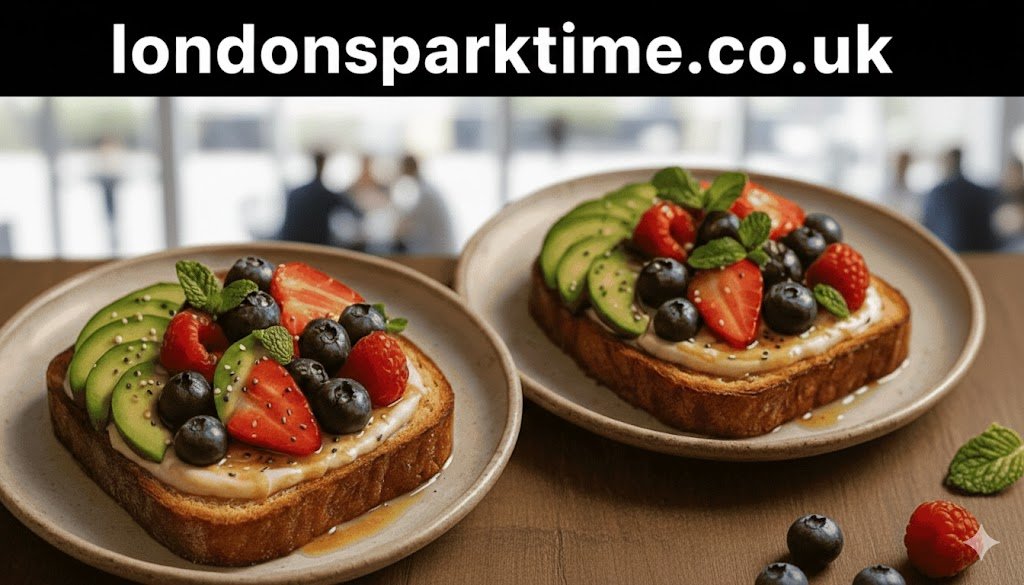
Toastul refers to the act or spoken expression of raising a drink to honor, celebrate, or show goodwill toward someone or something during social gatherings. It carries cultural, emotional, and symbolic meaning, often marking special occasions such as weddings, achievements, or reunions. Beyond words, it reflects unity, gratitude, and shared human connection across traditions and generations in both formal and casual settings.
Celebratory drinking traditions have existed for centuries, evolving into meaningful social rituals that strengthen relationships and mark important life moments. This article explores the historical roots, cultural symbolism, etiquette, emotional psychology, and modern adaptations of ceremonial drink-raising practices across societies. Readers will discover how spoken tributes create connection, why respectful wording matters, and how contemporary lifestyles are reshaping old customs. By understanding these deeper meanings, anyone can participate confidently in gatherings ranging from intimate dinners to grand celebrations while honoring tradition and expressing sincere appreciation.
Historical Origins of Ceremonial Drink-Raising Across Ancient Civilizations
Human societies have long used shared drinking rituals to symbolize peace, trust, and communal harmony. Archaeological records from Greece, Rome, and early European tribes reveal structured moments where leaders lifted cups to honor gods, victories, or alliances. These gestures helped reduce tension and reinforce unity among participants. Over centuries, spoken blessings and poetic expressions became integrated into feasts and royal ceremonies. What began as a protective or spiritual act slowly transformed into a social custom centered on goodwill, respect, and collective emotional expression that continues to shape celebrations in the modern world.
Linguistic Development and Social Meaning Behind the Word Toastul
Language often preserves cultural memory, and this particular term reflects evolving European social etiquette connected to dining and celebration. Its roots relate to the practice of flavoring drinks with spiced bread while offering goodwill statements. Over time, the physical object became secondary to the spoken tribute itself. Today, the expression represents appreciation, remembrance, or encouragement shared publicly. Understanding this linguistic journey highlights how ordinary dining behavior gradually turned into a meaningful communicative ritual that blends speech, symbolism, and shared emotional experience within communal gatherings.
Symbolism of Unity, Respect, and Collective Joy in Shared Celebrations
Raising glasses together creates a visible sign of equality among participants, regardless of social status or background. The synchronized gesture communicates mutual respect and shared intention without requiring elaborate ceremony. Psychologically, this moment strengthens belonging and reduces interpersonal distance. Many cultures interpret the act as sealing friendship or acknowledging gratitude toward hosts, family members, or honored guests. Because of this symbolic depth, even brief celebratory words can carry lasting emotional resonance, transforming a simple meal into a memorable communal experience rooted in sincerity and human connection.
Cultural Variations in European, Asian, and Middle Eastern Traditions
Different regions interpret celebratory drink rituals through unique customs shaped by religion, history, and social norms. Some European countries emphasize eye contact and brief poetic lines, while parts of Asia prioritize hierarchy and respectful sequencing. In Middle Eastern gatherings, hospitality and blessing-focused language often take precedence over humor or storytelling. Despite stylistic differences, the underlying intention remains remarkably consistent: expressing goodwill and strengthening relationships. Observing these variations encourages cultural sensitivity and helps participants engage respectfully when attending international or multicultural social events.
Emotional Psychology Behind Speaking Words of Celebration Publicly
Public expressions of appreciation activate strong emotional responses in both speakers and listeners. Offering kind words in a shared setting increases feelings of trust, validation, and belonging. Neuroscience research shows that gratitude-focused communication can elevate mood and deepen interpersonal bonds. Even short ceremonial speeches encourage reflection on relationships and achievements. Because of this psychological impact, carefully chosen language matters more than length or complexity. Authentic emotion, delivered sincerely, often resonates far more deeply than elaborate phrasing or rehearsed performance during meaningful social occasions.
Etiquette Principles That Ensure Respectful and Memorable Participation
Good manners play a central role in maintaining harmony during formal or informal gatherings. Timing, tone, and audience awareness determine whether celebratory words feel heartfelt or uncomfortable. Speakers typically keep messages concise, avoid controversial humor, and acknowledge key individuals appropriately. Listeners, in turn, show attentiveness through silence and shared gestures. These subtle behavioral norms protect the dignity of everyone present. Learning such etiquette allows individuals to participate confidently in diverse settings while preserving the respectful spirit that defines meaningful communal celebration.
Also read this: Inomyalgia Explained Clearly With Causes Symptoms Treatments And Prevention Tips
Role of Toastul in Weddings, Milestones, and Family Gatherings
In many life events, toastul serves as a narrative bridge connecting past memories with future hopes. Wedding speeches often highlight shared journeys, personal growth, and collective blessings for the couple. Birthday or achievement celebrations emphasize gratitude, resilience, and encouragement. Family reunions use spoken tributes to preserve stories across generations. Through these moments, individuals publicly affirm emotional bonds that might otherwise remain unspoken. This ritualized communication strengthens relationships and transforms ordinary gatherings into deeply memorable milestones shaped by shared affection and recognition.
Modern Adaptations in Digital Events and Contemporary Social Life
Changing lifestyles and global connectivity have reshaped traditional celebration formats. Virtual gatherings now include synchronized drink-raising across video calls, allowing distant friends and relatives to participate meaningfully. Non-alcoholic beverages, inclusive language, and shorter speeches reflect evolving social awareness. Younger generations often blend humor with sincerity, creating relaxed yet respectful atmospheres. Despite technological change, the core intention of honoring relationships remains unchanged. This continuity demonstrates the remarkable adaptability of ceremonial social practices within rapidly transforming cultural environments.
Crafting Meaningful Words That Feel Authentic Rather Than Formal
Effective celebratory speech depends more on sincerity than rhetorical complexity. Personal anecdotes, genuine gratitude, and hopeful wishes create emotional resonance without sounding scripted. Speakers who focus on shared experiences rather than exaggerated praise usually connect more naturally with audiences. Tone should remain warm, inclusive, and respectful of diverse listeners. Practicing aloud can improve clarity while preserving spontaneity. When authenticity guides expression, even simple sentences can become powerful moments of connection remembered long after the gathering ends.
Common Mistakes That Can Reduce Emotional Impact or Comfort
Overly long speeches, embarrassing jokes, or exclusionary references may unintentionally create discomfort. Speaking without preparation can lead to repetition or unclear messaging, weakening emotional effect. Ignoring cultural expectations or event tone might also appear disrespectful. Balanced delivery requires awareness of audience diversity and occasion significance. By avoiding these pitfalls, speakers protect the celebratory atmosphere and ensure their words contribute positively to the shared experience. Thoughtful preparation ultimately supports confidence, clarity, and meaningful emotional exchange among participants.
Influence of Literature, Cinema, and Media on Celebration Rituals
Stories portrayed in novels and films often shape public expectations around ceremonial speeches and social gatherings. Dramatic monologues, heartfelt confessions, or humorous tributes influence how people imagine ideal celebration moments. Media representation can romanticize emotional expression, encouraging more open communication in real life. At the same time, it may create unrealistic pressure for perfection. Recognizing this influence helps individuals focus on sincerity rather than performance, preserving authenticity within real-world social interactions shaped by genuine relationships.
Social Connection and Community Building Through Shared Expression
Communal rituals provide structured opportunities for emotional sharing that daily life rarely permits. Speaking appreciation aloud reinforces trust and mutual recognition within groups. Over time, repeated participation strengthens community identity and belonging. Such experiences contribute to psychological wellbeing by reminding individuals they are valued members of a supportive network. This deeper social function explains why celebratory speech traditions persist across cultures despite changing lifestyles, technologies, and generational attitudes toward formality and expression.
Guidance for First-Time Speakers Facing Public Celebration Moments
Nervousness is natural when addressing a group during meaningful occasions. Preparing a short structure that includes gratitude, memory, and hopeful wish can provide helpful direction. Slow breathing and steady pacing improve clarity and confidence. Focusing on emotional sincerity rather than perfect wording reduces pressure. Audiences generally respond with empathy and encouragement, not judgment. Understanding this supportive environment allows first-time speakers to transform anxiety into a positive, memorable contribution to the gathering’s emotional atmosphere.
Ethical Considerations and Inclusivity in Diverse Social Settings
Modern celebrations increasingly emphasize respect for cultural, religious, and personal differences. Inclusive language ensures all participants feel acknowledged regardless of background or lifestyle. Sensitivity toward alcohol-free preferences or varying traditions demonstrates thoughtful hospitality. Ethical awareness also involves avoiding stereotypes or assumptions within public remarks. By prioritizing dignity and belonging, speakers help create welcoming environments where celebration strengthens unity rather than highlighting difference. This inclusive approach reflects evolving global values centered on empathy and mutual respect.
Conclusion: Lasting Human Meaning Behind Ceremonial Words of Celebration
Across centuries and cultures, shared drink-raising traditions have remained powerful expressions of gratitude, unity, and emotional connection. While forms and settings continue to evolve, the underlying human desire to honor relationships endures. Thoughtful words, respectful etiquette, and sincere intention transform simple gatherings into meaningful memories. Understanding these deeper dimensions allows anyone to participate confidently and compassionately. Ultimately, the ritual’s true significance lies not in the drink itself but in the shared acknowledgment of human bonds that give celebrations their lasting emotional value.
FAQs
What does toastul symbolize in social gatherings?
It symbolizes unity, appreciation, and goodwill shared among participants during meaningful occasions.
Is alcohol necessary for this tradition?
No. Any beverage can be used, as the emotional message matters more than the drink.
How long should a celebratory speech be?
Short and sincere messages are usually most effective and comfortable for audiences.
Can informal events include ceremonial speeches?
Yes. Casual gatherings often feature relaxed, heartfelt expressions of gratitude or humor.
Why is eye contact sometimes encouraged?
Eye contact reinforces trust, respect, and personal connection between participants.
What should be avoided in public celebration remarks?
Embarrassing jokes, controversial topics, and overly long speeches should generally be avoided.
Are virtual celebrations meaningful compared to in-person ones?
Yes. Genuine words and shared intention can create emotional connection even through digital spaces.
Fore more info: Londonsparktime.co.uk
