
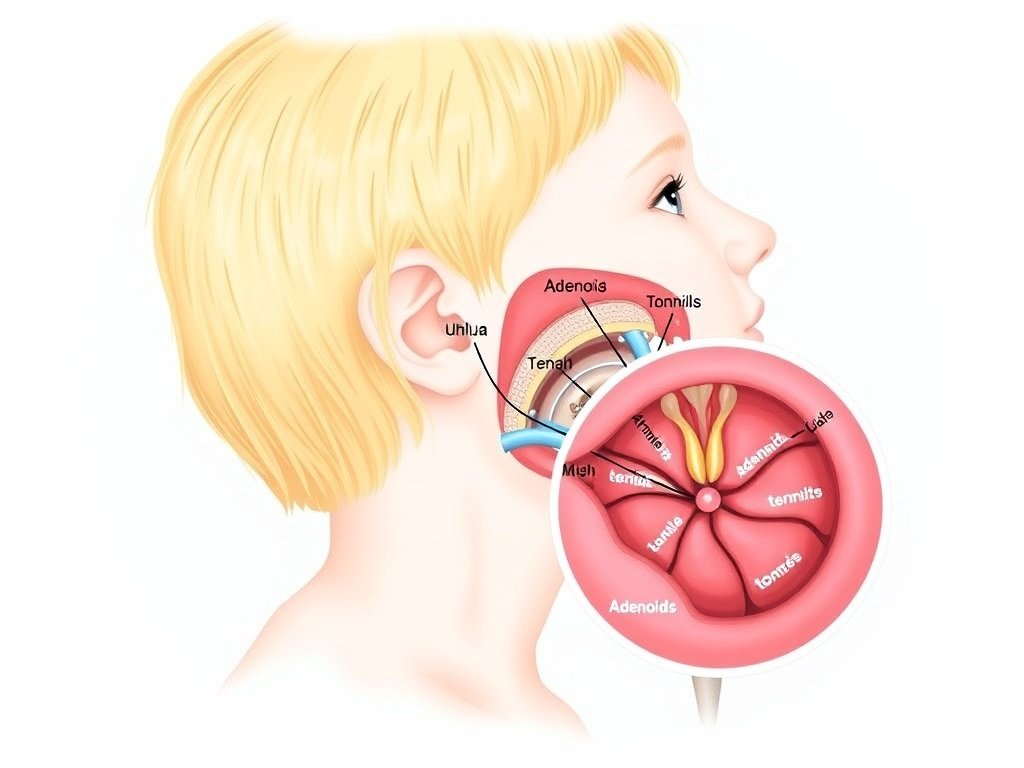
Adenoidid is an inflammation or infection of the adenoids, small lymphatic tissues behind the nose. It commonly affects children, leading to nasal congestion, snoring, and frequent ear infections. Proper diagnosis through physical examination and imaging is essential. Treatment can include antibiotics, nasal sprays, or in severe cases, surgical removal to restore normal breathing and prevent recurring infections.
Adenoidid is a condition affecting the adenoids, crucial tissues in the immune system located at the back of the nasal cavity. It primarily impacts children, causing symptoms like difficulty breathing through the nose, snoring, and repeated ear infections. This article explores the causes, signs, and diagnosis of adenoidid, as well as practical treatment options ranging from medications to surgical removal. Understanding this condition helps parents and caregivers recognize early symptoms, seek medical advice, and ensure proper management to improve overall health and quality of life.
Understanding Adenoidid and Its Role in the Immune System
Adenoidid refers to inflammation or infection of the adenoids, lymphatic tissues that play a vital role in fighting infections. These tissues are located behind the nasal cavity, near the throat, and help filter bacteria and viruses. When adenoids become swollen, they can block airways, leading to breathing difficulties, especially during sleep. Adenoidid is most common in children between ages three and seven. Recognizing its impact on immunity and respiratory health is essential for early intervention. Proper awareness can prevent complications and support overall immune system function.
Common Symptoms of Adenoidid in Children and Adults
Symptoms of adenoidid vary but often include chronic nasal congestion, mouth breathing, snoring, and frequent ear infections. Children may show restless sleep, poor appetite, or speech difficulties. Adults with enlarged adenoids may experience recurring sinus infections and nasal obstruction. Early recognition of these signs is crucial for timely medical intervention. Persistent discomfort or unusual symptoms should prompt a professional evaluation, ensuring that adenoidid does not progress and affect daily life or overall health.
Causes and Risk Factors Leading to Adenoidid
Adenoidid can develop due to bacterial or viral infections, allergies, or chronic sinus issues. Children are more susceptible due to their developing immune systems and smaller airways. Exposure to secondhand smoke, frequent colds, or environmental irritants can also increase the risk. Understanding these contributing factors allows parents and caregivers to minimize triggers and reduce the likelihood of persistent adenoid inflammation, promoting healthier respiratory function.
How Adenoidid Affects Breathing and Sleep Quality
Enlarged or inflamed adenoids can block the nasal airway, forcing individuals to breathe through their mouths. This may lead to snoring, sleep apnea, or restless nights. Over time, insufficient oxygen during sleep can affect growth, attention, and overall well-being in children. Addressing adenoidid promptly through evaluation and treatment helps restore normal breathing, ensuring better sleep quality and improved daily performance.
Diagnostic Methods to Confirm Adenoidid
Doctors diagnose adenoidid through physical examination, medical history, and imaging techniques such as X-rays or nasal endoscopy. Symptoms like nasal obstruction, recurrent infections, and snoring guide initial assessment. In some cases, allergy testing or throat swabs may be performed to identify underlying causes. Accurate diagnosis is critical to determine the most effective treatment plan and avoid unnecessary interventions, ensuring the condition is addressed appropriately.
Non-Surgical Treatment Options for Adenoidid
Mild cases of adenoidid can be managed with antibiotics for bacterial infections or corticosteroid nasal sprays to reduce swelling. Saline nasal rinses and proper hydration may also alleviate congestion. Lifestyle adjustments, such as avoiding allergens and smoke exposure, can support recovery. Non-surgical approaches aim to reduce inflammation, relieve symptoms, and prevent complications while minimizing invasive procedures for children and adults.
When Surgery Becomes Necessary for Adenoidid
Adenoidectomy, or surgical removal of the adenoids, is recommended for severe or chronic cases where medications are ineffective. Surgery improves breathing, reduces snoring, and prevents recurrent ear or sinus infections. Pediatric patients often experience rapid recovery, and long-term outcomes are generally positive. Discussing the benefits and risks with a healthcare provider ensures informed decisions tailored to individual needs.
Also read this: Skinpres T Benefits, Uses, and Expert Tips for Healthy, Glowing Skin Daily
Potential Complications from Untreated Adenoidid
If left untreated, adenoidid can lead to chronic ear infections, sinusitis, speech problems, and sleep disorders. Children may experience delayed growth or attention difficulties due to poor sleep. Chronic nasal obstruction can also affect dental and facial development. Early detection and treatment are vital to prevent these complications and maintain normal respiratory and developmental health in affected individuals.
Role of Allergies and Environmental Factors in Adenoidid
Allergens, such as dust, pollen, and pet dander, can trigger adenoid inflammation or worsen existing adenoidid. Environmental factors like pollution and secondhand smoke contribute to chronic irritation. Identifying and reducing exposure to triggers can complement medical treatments, providing relief and supporting long-term respiratory health, particularly in sensitive children prone to frequent infections.
How Adenoidid Influences Ear Health and Hearing
Inflamed adenoids can block the Eustachian tubes, leading to fluid accumulation and ear infections. This may cause temporary hearing loss, discomfort, or recurrent infections in children. Addressing adenoidid through treatment or surgery not only improves breathing but also helps prevent long-term hearing issues. Timely intervention ensures that children maintain proper auditory development and avoid complications from repeated infections.
Preventive Measures and Lifestyle Adjustments for Adenoidid
Good hygiene, regular handwashing, and avoiding exposure to sick individuals reduce the risk of infections leading to adenoidid. Ensuring proper nutrition and hydration strengthens immunity, supporting faster recovery. Parents can also monitor symptoms and seek early medical advice to prevent chronic inflammation. These preventive measures help maintain respiratory health and reduce the likelihood of recurrent adenoid issues.
The Psychological and Social Impact of Adenoidid
Chronic adenoidid can affect a child’s confidence, social interactions, and academic performance due to sleep disturbances and frequent illness. Adults may face daytime fatigue or discomfort affecting productivity. Awareness of these impacts emphasizes the importance of timely treatment. Addressing the condition helps improve not only physical health but also emotional well-being and quality of life for affected individuals.
Long-Term Outlook and Recovery from Adenoidid
With proper diagnosis and treatment, the prognosis for adenoidid is excellent. Most children recover fully after treatment, whether medical or surgical. Regular follow-ups ensure that symptoms do not recur, and long-term respiratory health is maintained. Early intervention plays a critical role in reducing complications and ensuring that adenoidid does not interfere with growth, sleep, or overall development.
Innovative Approaches and Research in Adenoidid Treatment
Recent studies focus on minimally invasive surgical techniques and advanced medications to manage adenoidid effectively. Research also explores genetic and environmental factors influencing susceptibility. These innovations aim to improve outcomes, reduce recovery time, and provide personalized treatment options. Staying informed about emerging treatments empowers caregivers to make better healthcare decisions and ensures children and adults receive the best possible care.
Holistic and Supportive Care Strategies for Adenoidid
Supporting recovery from adenoidid includes hydration, humidified air, balanced nutrition, and avoiding irritants. Complementary approaches like gentle nasal rinses or breathing exercises may aid symptom relief. While medical treatment is primary, holistic care strategies enhance comfort, speed up healing, and improve overall well-being, offering a more comprehensive approach to managing this common condition.
Conclusion: Key Takeaways on Adenoidid Management
Adenoidid is a manageable condition when identified early. Recognizing symptoms, understanding causes, and seeking timely medical care can prevent complications. Treatment ranges from medications to surgical removal, supported by preventive and lifestyle measures. Awareness and proactive management ensure children and adults maintain healthy breathing, proper sleep, and overall quality of life.
FAQs
1. What is adenoidid and who does it affect most?
Adenoidid is inflammation of the adenoids, mostly affecting children aged three to seven. Adults can develop it less frequently.
2. What are common symptoms of adenoidid?
Symptoms include nasal congestion, snoring, mouth breathing, sleep disturbances, and frequent ear infections.
3. How is adenoidid diagnosed by doctors?
Diagnosis involves a physical exam, medical history, imaging like X-rays, and sometimes nasal endoscopy.
4. Can adenoidid be treated without surgery?
Yes, mild cases respond to antibiotics, nasal sprays, saline rinses, and lifestyle adjustments.
5. When is adenoidectomy recommended?
Surgery is advised for chronic or severe cases that don’t improve with medication, improving breathing and preventing infections.
6. What complications can arise if adenoidid is untreated?
Untreated adenoidid can cause ear infections, sinusitis, sleep problems, speech issues, and poor growth in children.
7. How can parents prevent adenoidid in children?
Good hygiene, reducing allergen exposure, avoiding smoke, and boosting immunity through nutrition can help prevent adenoidid.
For more info: londonsparktime.co.uk
